
Emergency Response
Drought and flood emergency response: water trucking, food and cash assistance, and rapid humanitarian relief.
64
Projects
4
Counties
64,290
People reached
3
Active now
Projects by county
Projects by status
Projects in Emergency Response
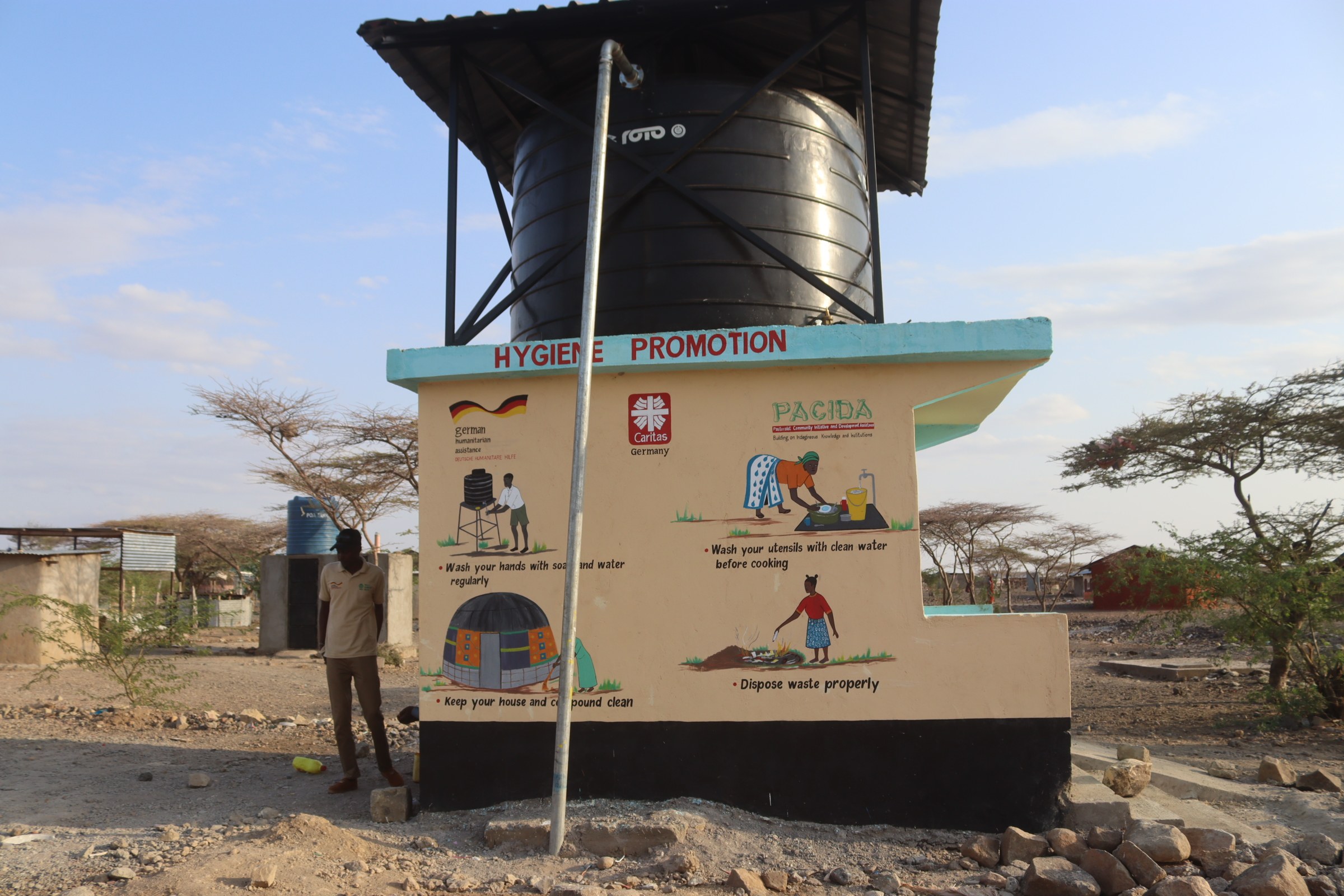
Emergency Relief and Anticipatory Humanitarian Action for Victims of Climate-Related Disasters in Somalia, Northern Kenya, and Southern Ethiopia
A Caritas Germany-funded emergency relief and anticipatory humanitarian action project (P.141-2023-004) for climate-related disasters across Moyale, Guchi and Dire Woredas in Southern Ethiopia. The project responds to acute food insecurity driven by failed 'ganna' rains and consecutive droughts, with much of the Borana zone in IPC Crisis or Stressed phases and water shortage identified by communities as a leading priority.
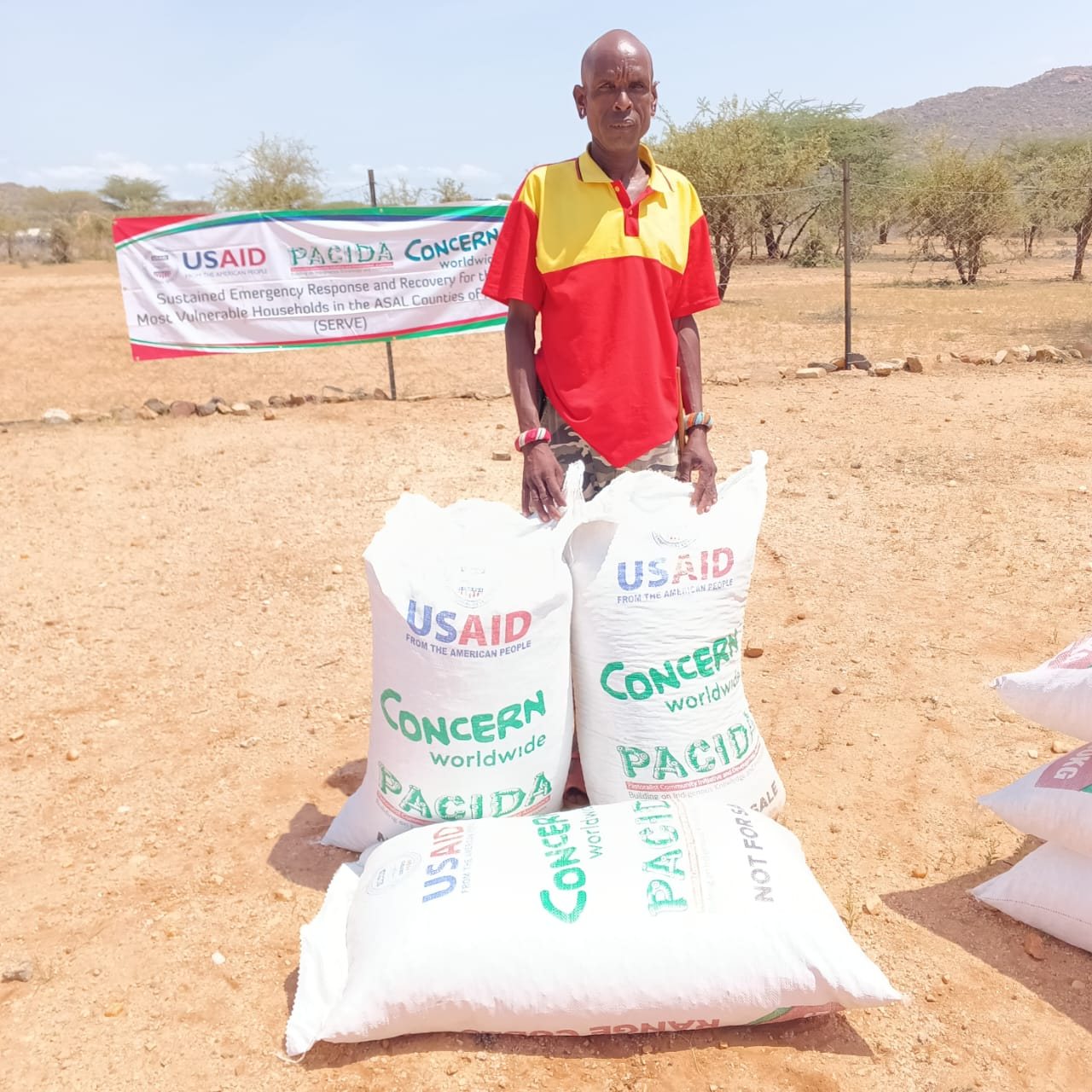
Oxfam EAR Fund (Humanitarian System Transformation through LHL)
Emergency project supported by Oxfam.
Emergency Response for Flood Affected Communities in Marsabit and Wajir Counties in Kenya
Emergency project supported by Christian Aid.
Emergency Relief for vulnerable households of Climate-Related Disasters (Flood) in Marsabit County, Northern Kenya,
Emergency project supported by CBM.
Enhanced Drought Emergency response for food and Nutrition Security
Emergency project supported by ACTED.
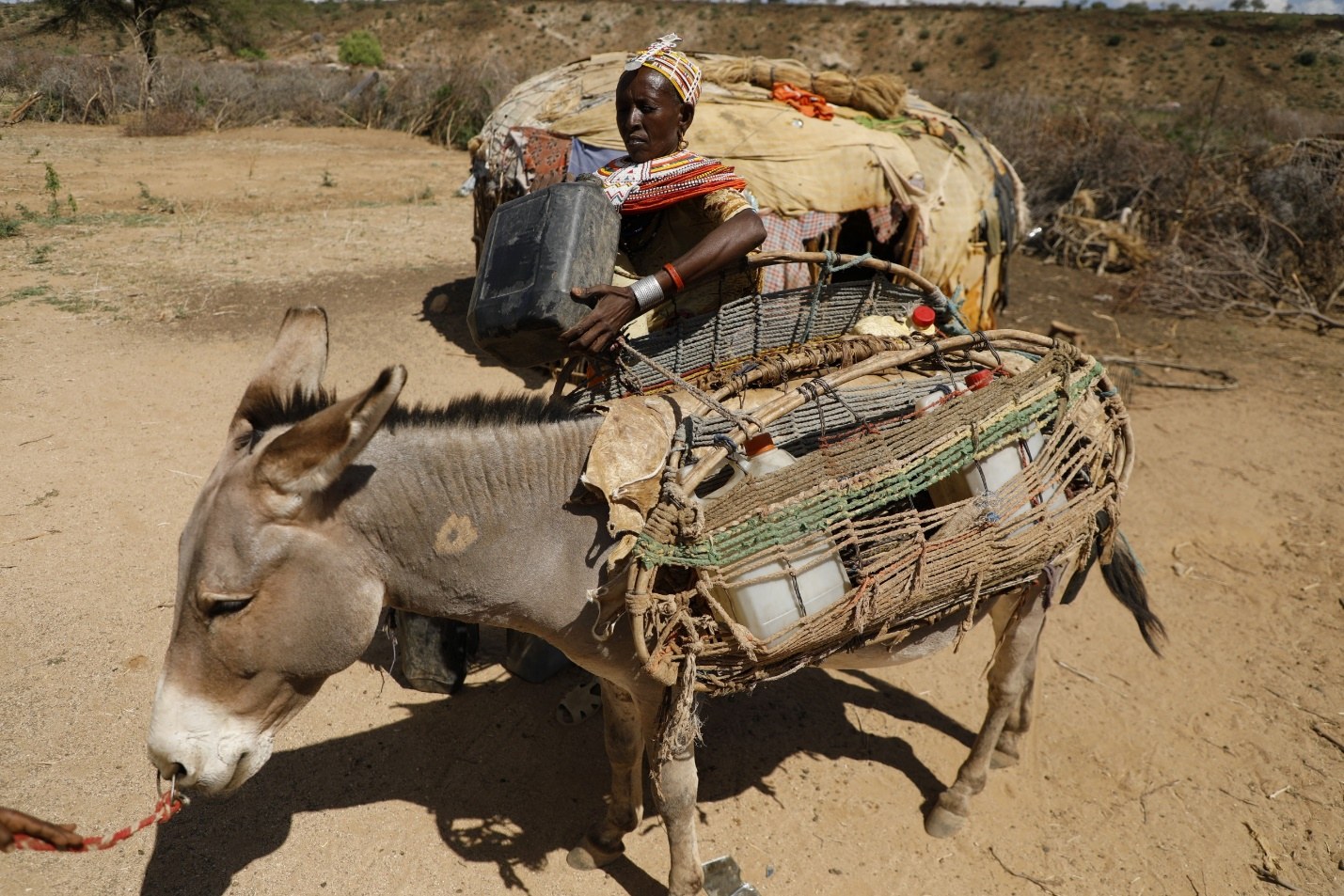
Integrated Drought Response in Marsabit-Kenya
An Oxfam/BMZ-funded Kenya Drought Response (KDR) project in Kalacha, Elgade and Yaa Algana villages, Maikona Ward (North Horr Sub-County, Marsabit County). Through the county's Cash Technical Working Group and County Steering Group, PACIDA used NDMA's single registry and community-based targeting to deliver unconditional cash transfers to 470 households, prioritising the most food-insecure households and targeting women as primary recipients — who made up over 75% of those reached.
One Health Approach to strengthen the resillience of semi-nomadic poulation in the border region of Kenya and Ethiopia
A cross-border One Health programme in Maikona ward (Marsabit County, Kenya) and Dire Wereda (Ethiopia), funded by Malteser International, BMZ (German Cooperation), the Merck Family Foundation and Aktion Deutschland Hilft. It strengthened zoonotic-disease surveillance and control by training community and animal health workers, rehabilitated four boreholes serving around 12,000 people, ran livestock vaccination and deworming campaigns, and established two model farms in partnership with ILRI and county health, livestock and disaster-management departments.
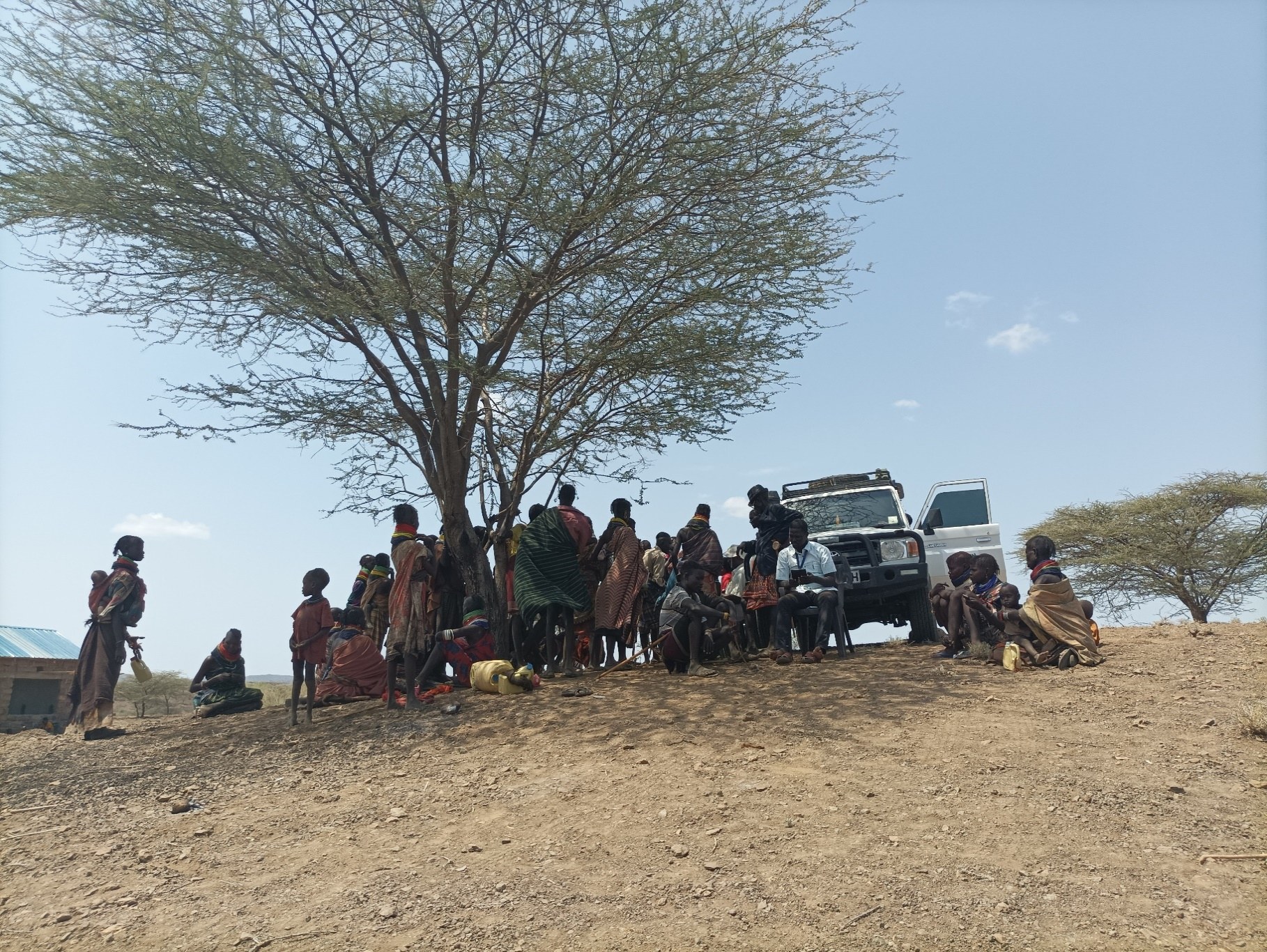
Emergency Drought Emergency Response for Food and Nutrition
The Enhanced Drought Emergency Response for Food and Nutrition (E-DERF) project, a USAID BHA-funded consortium response delivered by Concern Worldwide, ACTED, PACIDA and SAP CONE, providing unconditional cash transfers through community-elected village project committees.
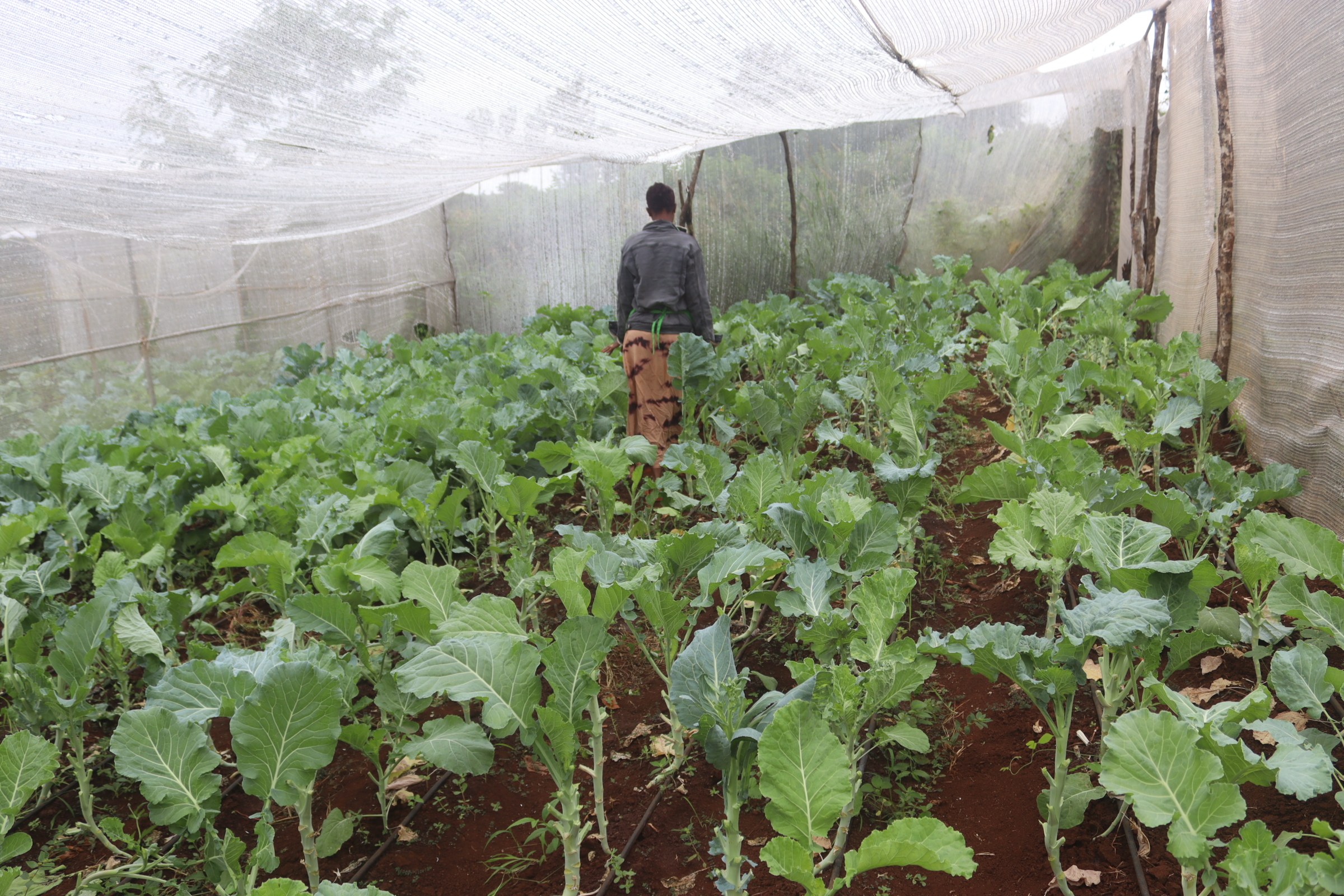
Support Food Security Enhancement and Resilience for the Chronic Drought-Affected People of Marsabit County
An Oxfam-funded food security and resilience project for chronic drought-affected communities in Marsabit County, combining cash transfers for IDPs with livelihood-diversification groups — including a 30-member tree nursery and vegetable group (Link Youth Group, est. 2018), savings and lending groups, beekeeping and Galla goat groups — monitored through direct community feedback visits such as Oxfam's May 2024 field review.
Kenya Cash Consortium
Emergency project supported by ACTED.
Kenya Cash Consortium: Locally led and Analysis Alert-Based Cash Assistance to Disaster-Affected Communities in the Kenyan ASALs and Refugee Complexes" (Agreement Number ECHO/-HF/BUD/2024/910
Emergency project supported by ACTED.
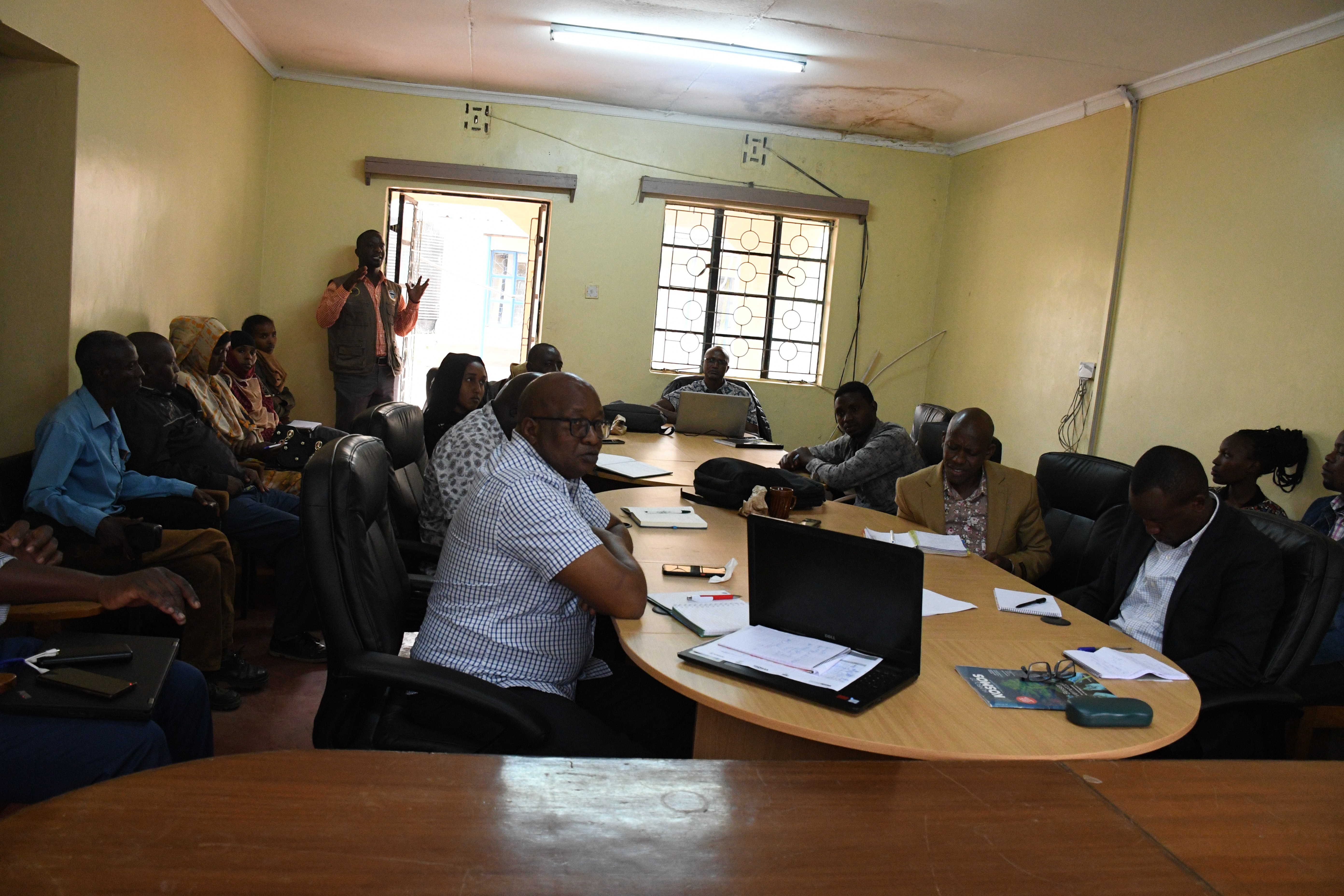
WAHAFA KEN Build Project: Engancement of anticipatory actions for improvement disaster risk management and mitigation of human impacts in Kenya (KEN 1267-22)
A Welthungerhilfe-funded Forecast-based Action (FbA) project in Korr and Maikona wards, Marsabit County, developing an anticipatory-action mechanism that pre-agrees financing and early-action triggers ahead of forecast drought, so response can begin before a shock's full impact is felt rather than after.