Education4 Jul 2020
A Bleak Future Then, Now Shining So Bright
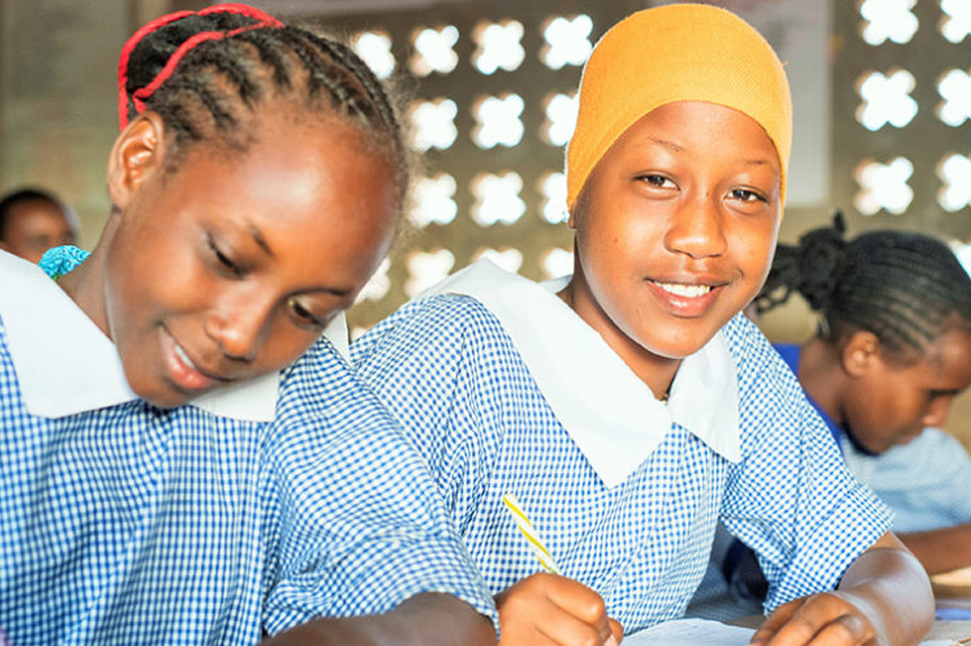
Once a herdsgirl who watched other children go to school, 12-year-old Iman Ayisha now tops her class at Kalacha Nomadic Girls’ School — and dreams of becoming a doctor.
Read story
From Fatuma Molu’s busy front yard to rehabilitated rangelands yielding 60 bales of hay per acre, fodder farming is building dry-season resilience.
The front yard of Fatuma Molu’s home is a hive of activity. Where dust once blew, there are now bundles of cut, dried fodder — feed that will keep her animals alive through the long dry months ahead.
Through PACIDA’s support, communities are producing fodder and rehabilitating degraded rangelands so that livestock have something to eat when pasture disappears. “We expect to harvest 60 bales of hay per acre from the rehabilitated rangeland,” says one participant — a yield that would have seemed impossible on the same bare ground a season earlier.
Fodder banks turn a good rainy season into an insurance policy against the next bad one. It is climate adaptation at its most practical: grass cut, dried and stored today so that herds — and the families who depend on them — survive tomorrow.
PACIDA
Reporting from the drylands of Northern Kenya and Southern Ethiopia.
Once a herdsgirl who watched other children go to school, 12-year-old Iman Ayisha now tops her class at Kalacha Nomadic Girls’ School — and dreams of becoming a doctor.
Read story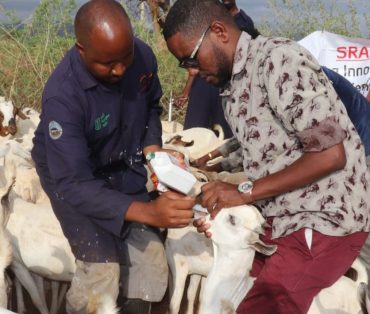
When the 2022 drought wiped out entire herds in Moyale, restocking gave families in Antut and Qoloba the animals — and the hope — to begin again.
Read story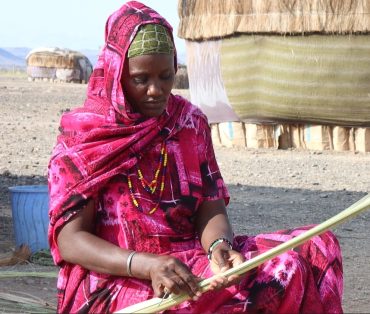
After floods swept through Malabot Centre, emergency support helped Kurfa Umuro Katelo and her family of five begin to rebuild.
Read story